
Proper performance tire maintenance is crucial to enjoying their full potential and saving money in the long run. Think of your performance tires as the athletes of your vehicle. They’re built for speed and precision, but just like athletes, they need proper care to perform at their best and avoid early retirement. Let’s dive into how to keep your performance tires in top shape, mile after mile.
Understanding Your Performance Tires: The Foundation of Longevity
Before we get to the nitty-gritty, let’s understand what makes performance tires special. These tires are designed with a focus on grip, handling, and responsiveness. They typically have a softer rubber compound for enhanced traction, but this also means they can wear down faster than standard tires if not properly maintained. Think of it like this: a race car needs stickier tires to grip the track, but those tires won’t last as long as the tires on your everyday sedan.
Tire Construction and Its Impact on Tread Life
Performance tires often feature unique tread patterns and construction methods to improve handling and braking. However, these designs can sometimes lead to uneven wear patterns. Understanding the construction and the rubber compound is essential to understanding the correct method of tyre maintenance. Ensuring the correct tyre pressure can have an impact on tyre life. It is best practice to maintain the correct level of tyre pressure.
Key Strategies for Performance Tire Maintenance and Longer Life
Ready to extend the life of your performance tires? Here’s a breakdown of the essential maintenance practices:
Regular Tire Pressure Checks: The Simplest, Most Effective Tip
Maintaining proper tire pressure is arguably the most important aspect of performance tire maintenance. Underinflated tires increase rolling resistance, leading to faster wear and reduced fuel efficiency. Overinflated tires reduce the contact patch with the road, compromising grip and potentially causing uneven wear. Check your tire pressure at least once a month and before any long trips. Find the correct pressure on the sticker inside your driver’s side door or in your owner’s manual. Don’t just eyeball it; use a reliable tire pressure gauge!
Real-life example: My friend, a track day enthusiast, learned this the hard way. He neglected his tire pressure, and after a weekend at the track, his tires were worn unevenly and needed replacing far sooner than expected. A simple pressure check could have saved him hundreds of dollars.
Routine Tire Rotations: Even Wear for Even Performance
Tire rotation is crucial for promoting even wear across all four tires. Front tires typically wear faster than rear tires, especially on front-wheel-drive vehicles. Rotating your tires every 5,000-8,000 miles (or as recommended by your tire manufacturer) helps distribute wear more evenly, maximizing the overall lifespan of your tires. Consult with a tire professional to determine the appropriate rotation pattern for your vehicle and tire type.
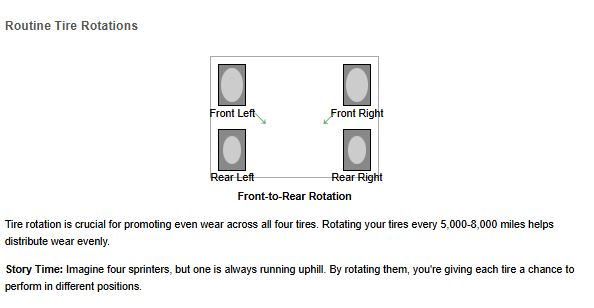
Story Time: Imagine four sprinters, but one is always running uphill. That’s what your front tires are doing if you don’t rotate them! By rotating them, you’re giving each tire a chance to perform in different positions, leading to a more balanced and longer life.
Wheel Alignment: Preventing Premature Wear and Handling Issues
Proper wheel alignment ensures that your tires are making optimal contact with the road. Misalignment can cause uneven wear, reduced fuel efficiency, and poor handling. If you notice your vehicle pulling to one side, or if your steering wheel isn’t centered when driving straight, it’s time for a wheel alignment. Also, it’s a good idea to get an alignment after hitting a large pothole or curb. This is a critical part of performance tire maintenance.
Avoiding Aggressive Driving: Treat Them Gently When You Can
While performance tires are designed for spirited driving, excessive acceleration, hard braking, and cornering can significantly reduce their lifespan. Avoid unnecessary burnouts and aggressive maneuvers whenever possible. Save the extreme driving for the track or designated areas. Drive smoothly and predictably during normal driving conditions to minimize wear and tear.
Proper Storage: Off-Season Care for Long-Term Life
If you use dedicated winter tires, proper storage of your performance tires during the off-season is essential. Clean the tires thoroughly before storing them to remove any dirt, grime, or brake dust. Store them in a cool, dry place away from direct sunlight and ozone sources (like electric motors). Consider storing them in airtight bags to prevent the rubber from drying out. This is often overlooked in performance tire maintenance.
Regular Inspections: Catch Problems Early
Regularly inspect your tires for any signs of damage, such as cuts, bulges, or embedded objects. Address any issues promptly to prevent them from escalating. Early detection and repair can save you from needing a premature tire replacement. Pay special attention to the sidewalls, as they are more vulnerable to damage. Look for uneven wear patterns which can indicate alignment or suspension problems.
Consider a Tire Pressure Monitoring System (TPMS)
A Tire Pressure Monitoring System (TPMS) alerts you when your tire pressure is too low. This is a valuable tool for maintaining optimal tire pressure and preventing premature wear. Many modern vehicles come equipped with TPMS. If your vehicle doesn’t have one, aftermarket TPMS systems are available.
The Benefits of Good Performance Tire Maintenance
By following these performance tire maintenance tips, you’ll not only extend the life of your tires but also improve your vehicle’s handling, braking performance, and fuel efficiency. You’ll also save money in the long run by avoiding premature tire replacements.
Performance Tire Maintenance: Frequently Asked Questions (FAQs)
How often should I check my tire pressure?
At least once a month, and before any long trips.
How often should I rotate my tires?
Every 5,000-8,000 miles, or as recommended by your tire manufacturer.
What are the signs of a bad wheel alignment?
Vehicle pulling to one side, uneven tire wear, steering wheel not centered when driving straight.
How should I store my performance tires during the off-season?
Clean them, store them in a cool, dry place away from direct sunlight and ozone sources, and consider using airtight bags.
Can I repair a puncture in a performance tire?
It depends on the location and size of the puncture. Consult a tire professional for advice. Sidewall punctures are generally not repairable.
What tire pressure should I use?
Refer to the sticker inside your driver’s side door or your owner’s manual. This is often different to the MAX pressure on the tire itself.
Investing in proper performance tire maintenance is an investment in your vehicle’s performance, safety, and longevity. Treat your performance tires with the care they deserve, and they’ll reward you with miles of exhilarating driving experiences.