
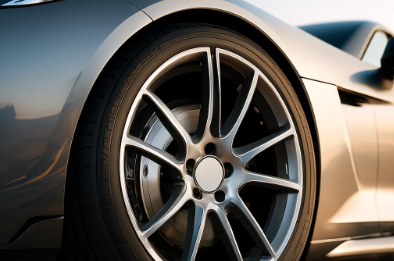
Your tires are the only point of contact between your vehicle and the road, making them one of the most critical safety components of your car. Yet, many drivers overlook tire maintenance until a problem becomes severe or, worse, leads to an accident. According to the National Highway Traffic Safety Administration, tire-related crashes lead to thousands of injuries and hundreds of fatalities each year—many of which could have been prevented with proper tire maintenance and timely replacement.
Worn tires significantly compromise your vehicle’s handling, braking distance, and overall safety, especially in adverse weather conditions. They increase the risk of hydroplaning on wet roads, reduce traction on snowy or icy surfaces, and are more prone to dangerous blowouts at highway speeds.
Table of Contents
- Sign 1: Low Tread Depth
- The Penny and Quarter Test Explained
- Legal Limits vs. Safe Limits
- Other Ways to Check Tread Depth
- When to Act
- Sign 2: Cracks or Cuts in the Sidewall
- What Causes Sidewall Damage?
- The Dangers of Sidewall Damage
- When to Replace vs. When to Monitor
- Prevention Tips
- Sign 3: Bulges or Blisters
- What Causes Tire Bulges and Blisters?
- Why Immediate Replacement is Necessary
- Identifying Bulges and Blisters
- What to Do If You Find a Bulge
- Sign 4: Uneven Wear Patterns
- Common Uneven Wear Patterns and What They Indicate
- Why Alignment and Inflation Matter
- Addressing Uneven Wear Issues
- Sign 5: Excessive Vibration or Noise
- Common Causes of Tire-Related Vibration and Noise
- When Vibration Indicates Serious Problems
- Diagnosing Vibration Sources
- Addressing Tire Vibration and Noise
- Don't Delay Tire Replacement
The good news is that your tires often provide clear warning signs before they reach a critical failure point. By learning to recognize these indicators, you can address potential issues before they compromise your safety or leave you stranded on the side of the road.
This guide will walk you through five unmistakable signs that your car needs new tires. We’ll explain what to look for, why these warning signs matter, and when immediate action is necessary. Whether you’re a new driver or have years of experience behind the wheel, understanding these crucial tire warning signs could save you from costly repairs, dangerous situations, or even a life-threatening accident.
Remember, when it comes to tire safety, being proactive isn’t just about avoiding inconvenience—it’s about protecting yourself, your passengers, and others on the road. Let’s explore the five tire warning signs you simply cannot afford to ignore.
Sign 1: Low Tread Depth
Your tire tread is designed to channel water away from the tire’s contact patch, providing crucial grip on wet roads and preventing dangerous hydroplaning. As tires wear down, this ability diminishes significantly, putting you and your passengers at risk.
The Penny and Quarter Test Explained
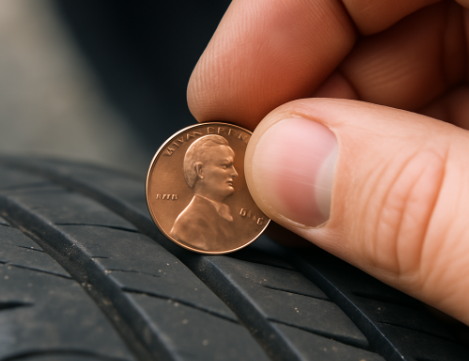
One of the simplest and most reliable methods to check your tire tread depth is the coin test. There are two common versions: the penny test and the quarter test.
The Penny Test: Insert a penny into your tire’s tread groove with Lincoln’s head upside down and facing you. If you can see the top of Lincoln’s head (or his entire head is visible), your tires have worn down to 2/32″ or less of tread remaining. This is the legal minimum in most states, and tires at this level are considered legally worn out and must be replaced immediately.
The Quarter Test: For a more conservative measurement, use a quarter instead. Place it in the tread with Washington’s head upside down. If you can see the top of Washington’s head, your tread depth has worn to approximately 4/32″ or less. While still legal, tires with this tread depth have significantly reduced performance, especially on wet roads.
Legal Limits vs. Safe Limits
While 2/32″ is the legal minimum tread depth in most states, safety experts and tire manufacturers often recommend replacing tires when they reach 4/32″ of remaining tread. Here’s why:
•At 2/32″, your stopping distance on wet roads increases dramatically
•Tests show that tires with 4/32″ of tread can stop a vehicle up to 100 feet sooner than tires at the legal minimum
•Winter driving requires more tread depth (at least 5/32″) for adequate snow traction
Other Ways to Check Tread Depth
Beyond the coin tests, there are several other methods to check your tire tread:
1.Tread Wear Indicators: Most modern tires have built-in tread wear indicator bars—raised sections that run perpendicular to the tread pattern. When these bars become flush with the tread surface, your tire has reached the 2/32″ limit.
2.Tread Depth Gauge: For a precise measurement, use an inexpensive tread depth gauge available at most auto parts stores. This tool provides an exact reading in 32nds of an inch.
3.The “Quarter Method”: Check multiple spots around each tire. Uneven wear patterns could mean you need new tires even if some areas still have adequate tread.
When to Act
•Replace immediately: If any part of your tire measures at or below 2/32″
•Plan for replacement soon: If your tread measures between 3/32″ and 4/32″
•Monitor regularly: If your tread is at 5/32″ or above, but check monthly for changes
Remember that tread depth can vary across the tire’s surface. Always check multiple spots around each tire, and base your decision on the most worn area. Don’t gamble with your safety—when in doubt, have your tires inspected by a professional.
Sign 2: Cracks or Cuts in the Sidewall
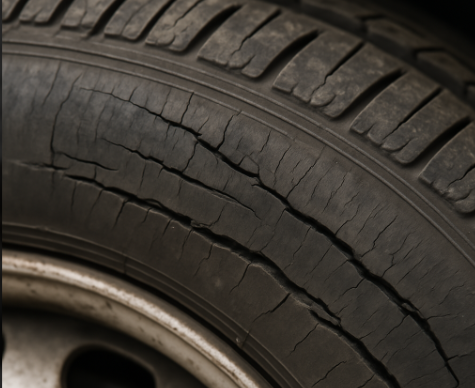
The sidewall of your tire plays a crucial role in maintaining structural integrity and supporting the weight of your vehicle. When cracks or cuts appear in this area, they can compromise your tire’s strength and lead to dangerous situations on the road.
What Causes Sidewall Damage?
Several factors can contribute to sidewall cracks and cuts:
Age and Environmental Exposure: Over time, rubber naturally degrades due to exposure to UV light, ozone, and fluctuating temperatures. This degradation, often called “dry rot,” causes the rubber to lose its flexibility and develop cracks.
Chemical Exposure: Contact with petroleum products, cleaning chemicals, or other caustic substances can accelerate rubber breakdown and lead to cracking.
Impact Damage: Hitting curbs, potholes, or road debris can cause immediate cuts or tears in the sidewall. Even if damage isn’t immediately visible, the impact may weaken the internal structure.
Improper Storage: Tires stored for extended periods without proper protection can develop cracks due to environmental factors.
Underinflation: Consistently driving on underinflated tires puts excessive stress on the sidewalls, causing them to flex more than designed and potentially leading to cracks over time.
The Dangers of Sidewall Damage
Sidewall damage is particularly concerning for several reasons:
1.Structural Weakness: Unlike tread wear, which occurs gradually, sidewall damage directly compromises the tire’s structural integrity. The sidewall contains no steel belts or reinforcements like the tread area does.
2.Blowout Risk: Cracks or cuts in the sidewall significantly increase the risk of a sudden blowout, especially at highway speeds or when carrying heavy loads.
3.No Repair Option: Unlike some punctures in the tread area, sidewall damage cannot be repaired. Once the sidewall is compromised, the entire tire must be replaced.
4.Hidden Damage: External cracks often indicate more extensive internal damage that isn’t visible to the naked eye.
When to Replace vs. When to Monitor
Replace Immediately If:
•Cracks are deeper than 1/16 inch
•You can see cords or fabric through the crack
•The crack extends across a significant portion of the sidewall
•Any bulging or deformation accompanies the cracks
•The tire is more than 6-10 years old (check the DOT date code)
Monitor Carefully If:
•You notice very fine, superficial cracks (sometimes called “weather checking”)
•Cracks appear only in a small, isolated area
•The tire is relatively new and otherwise in good condition
Even if you’re just monitoring minor cracks, check them frequently as they can worsen rapidly, especially during extreme temperature changes or long highway drives.
Prevention Tips
To minimize the risk of sidewall damage:
- Maintain proper tire inflation at all times
- Avoid hitting curbs, potholes, and road debris when possible
- Park away from direct sunlight when feasible
- Keep tires clean and avoid petroleum-based tire dressings
- Replace tires every 6-10 years, regardless of tread depth
Remember that your safety depends on the integrity of your tires. When in doubt about sidewall damage, consult with a tire professional rather than taking unnecessary risks.
Sign 3: Bulges or Blisters
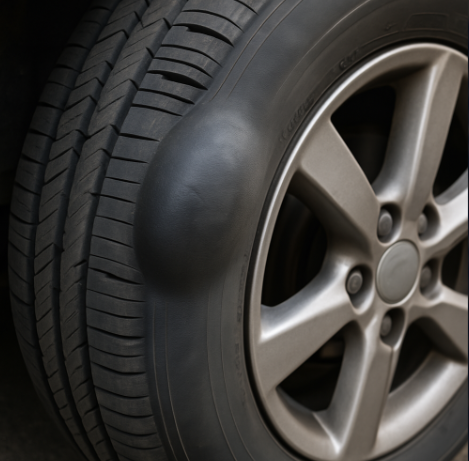
If you notice a bulge or blister protruding from your tire’s sidewall, consider this a serious red flag that demands immediate attention. Unlike some tire issues that allow for monitoring or delayed action, tire bulges represent a critical safety concern that requires prompt replacement.
What Causes Tire Bulges and Blisters?
Tire bulges occur when the internal structure of the tire has been compromised, allowing air pressure to push against the weakened area and create a visible protrusion. Several factors can lead to this dangerous condition:
Impact Damage: The most common cause is impact damage from hitting potholes, curbs, or road debris at speed. The force pinches the tire against the rim, damaging the inner liner and allowing air to penetrate between the rubber layers.
Manufacturing Defects: Though less common, manufacturing issues can sometimes lead to weak spots in the tire structure that eventually develop into bulges.
Driving on Underinflated Tires: Even briefly driving on a severely underinflated or flat tire can damage the internal structure enough to cause bulging once properly inflated.
Overloading: Consistently exceeding your vehicle’s weight capacity puts excessive stress on tires, potentially leading to structural failure and bulging.
Why Immediate Replacement is Necessary
Tire bulges are never a cosmetic issue—they always indicate structural damage that cannot be repaired:
1.Imminent Blowout Risk: A bulge significantly weakens the tire’s structure at that point, creating a thin spot that’s prone to sudden rupture, especially under the stress of highway speeds or hot weather.
2.Unpredictable Failure: Unlike gradual tread wear that provides warning signs over time, a bulging tire can fail catastrophically with little to no additional warning.
3.Compromised Handling: Even before complete failure, a bulging tire affects your vehicle’s handling, potentially causing pulling to one side or vibration.
4.No Repair Option: There is no safe way to repair a tire with a bulge or blister. The internal damage extends beyond what’s visible externally, and the entire tire must be replaced.
Identifying Bulges and Blisters
Tire bulges can sometimes be subtle, so it’s important to know what to look for:
•A visible outward protrusion from the otherwise smooth sidewall surface
•A localized area that appears inflated or bubble-like
•Sometimes accompanied by a visible impact mark or scuff
•May be more noticeable after the tire has been driven and warmed up
What to Do If You Find a Bulge
If you discover a bulge or blister in your tire:
1.Don’t Delay Replacement: Schedule tire replacement as soon as possible—ideally the same day.
2.Avoid Highway Driving: If you must drive before replacing the tire, keep speeds low and avoid highways or freeways where a blowout would be especially dangerous.
3.Consider Your Spare: If the bulge is severe and you have a spare tire, consider using it temporarily until you can get a proper replacement.
4.Check Warranty Coverage: If the tire is relatively new and shows no signs of impact damage, the bulge might be covered under the manufacturer’s warranty.
Remember that no matter how minor a bulge may appear, it represents a serious structural failure that compromises your safety. Never gamble with bulging tires—replace them immediately.
Sign 4: Uneven Wear Patterns
When your tires wear unevenly, they’re not just wearing out prematurely—they’re telling you something important about your vehicle’s condition. Uneven wear patterns are like diagnostic clues that can reveal alignment issues, inflation problems, or mechanical concerns that need attention.

Common Uneven Wear Patterns and What They Indicate
Different wear patterns point to different underlying issues:
Center Wear: When the middle of your tire tread is more worn than the edges, your tires are likely overinflated. Excessive air pressure causes the center of the tire to bear most of the vehicle’s weight, leading to accelerated wear down the middle.
Edge Wear: If both outer edges of your tire show more wear than the center, underinflation is the likely culprit. Underinflated tires sag in the middle, forcing the edges to carry more weight and wear faster. This condition is particularly dangerous as it generates excessive heat and increases the risk of blowouts.
One-Sided Wear: When only one side of the tire (either inner or outer edge) shows accelerated wear, your vehicle likely has an alignment issue:
- Inner edge wear often indicates excessive negative camber (the top of the wheel tilts inward)
- Outer edge wear typically suggests excessive positive camber (the top of the wheel tilts outward)
- Feathered wear across the tread (feels smooth in one direction but rough in the other) usually points to toe alignment problems
Cupping or Scalloping: Characterized by dips or scalloped patterns around the tire, this wear pattern often indicates worn suspension components. Bad shock absorbers, struts, ball joints, or wheel bearings can cause the tire to bounce as it rolls, creating a scalloped wear pattern.
Diagonal Wear: Angled wear patterns across the tread face may indicate multiple alignment issues or problems with suspension components.
Why Alignment and Inflation Matter
Proper wheel alignment and tire inflation are crucial for even tire wear and optimal vehicle performance:
Alignment Benefits:
•Ensures tires contact the road at the proper angle
•Prevents premature or uneven tire wear
•Improves handling and straight-line stability
•Reduces strain on suspension components
•Enhances fuel efficiency
Proper Inflation Benefits:
•Maintains the tire’s intended contact patch with the road
•Provides optimal load-carrying capacity
•Reduces rolling resistance for better fuel economy
•Ensures proper handling characteristics
•Extends tire life by promoting even wear
Addressing Uneven Wear Issues
If you notice uneven wear patterns:
1.Check Tire Pressure: Use a quality gauge to verify all tires are inflated to the manufacturer’s recommended pressure (found on the driver’s door jamb sticker, not the tire sidewall).
2.Schedule an Alignment: If pressure is correct but wear is uneven, have your alignment checked and adjusted by a professional.
3.Inspect Suspension Components: Have worn shocks, struts, or other suspension parts replaced if they’re contributing to irregular wear.
4.Consider Tire Rotation: Regular rotation helps distribute wear more evenly across all tires. Follow your vehicle manufacturer’s recommended rotation pattern and schedule.
5.Replace Severely Worn Tires: If uneven wear has progressed significantly, the affected tires may need replacement, even if some portions still have adequate tread.
Remember that uneven wear doesn’t just mean you’ll need new tires sooner—it can also indicate problems that affect your vehicle’s safety and performance. Address these issues promptly to protect your investment and ensure a safe driving experience.
Sign 5: Excessive Vibration or Noise
When your vehicle starts making unusual noises or you feel vibrations through the steering wheel, seat, or floorboard, your tires could be sending you an urgent message. While not all vibrations stem from tire issues, they’re often the first place to check when your smooth ride suddenly turns rough.
Common Causes of Tire-Related Vibration and Noise
Several tire conditions can lead to uncomfortable vibrations or unusual noises:
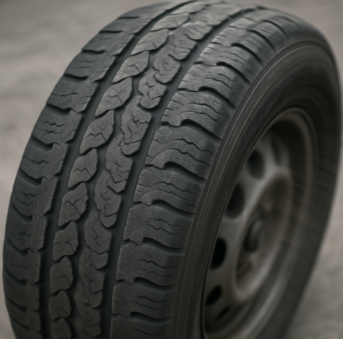
Cupped or Scalloped Tread: Uneven wear that creates a wavy pattern across the tire surface often causes a rhythmic thumping noise and vibration. This typically results from worn suspension components, improper wheel balance, or alignment issues.
Out-of-Balance Tires: Even small imbalances in tire/wheel weight distribution can create noticeable vibrations, especially at highway speeds (typically 55-70 mph). These vibrations often manifest in the steering wheel for front tire issues or in the seat for rear tire problems.
Internal Tire Damage: Broken belts or separated internal components can cause vibrations that worsen as speed increases. This damage isn’t always visible from the outside but creates an uneven distribution of forces as the tire rotates.
Flat Spots: Tires that have been locked up during hard braking or that sat immobile for extended periods can develop flat spots, causing a repetitive thumping sensation as you drive.
Chopped Tread Blocks: Irregular wear that creates a choppy tread surface often produces both noise and vibration, particularly on smooth road surfaces.
Foreign Objects: Items lodged in the tread, such as stones or debris, can create clicking or tapping noises that change with speed.
When Vibration Indicates Serious Problems
While some minor vibrations might be tolerable, certain characteristics suggest more urgent issues:
1.Sudden Onset: Vibrations that appear suddenly, especially after hitting a pothole or road debris, could indicate immediate tire damage.
2.Speed-Dependent Intensity: Vibrations that dramatically worsen at specific speeds often point to balance issues, while those that consistently intensify with increasing speed may indicate structural problems.
3.Progressive Worsening: Vibrations that steadily increase in intensity over days or weeks suggest a deteriorating condition that needs prompt attention.
4.Accompanied by Pulling: If your vehicle pulls to one side while experiencing vibration, you may have a damaged tire, alignment issue, or brake problem requiring immediate inspection.
Diagnosing Vibration Sources
To determine if your tires are the source of vibration:
Location Matters:
- Steering wheel vibration typically indicates front tire/wheel issues
- Seat vibration often points to rear tire/wheel problems
- Floor vibration might suggest drivetrain concerns rather than tire issues
Speed Sensitivity:
- Vibrations at low speeds (below 20 mph) often indicate tire damage or severe balance issues
- Vibrations at highway speeds (55-70 mph) commonly result from wheel balance problems
- Vibrations that occur only during acceleration may be drivetrain-related
Visual Inspection:
- Check for obvious damage, unusual wear patterns, or foreign objects
- Look for bulges, separations, or irregular tread wear
- Verify proper inflation in all tires
Addressing Tire Vibration and Noise
If you’re experiencing concerning vibrations or noise:
1.Professional Inspection: Have your tires inspected by a qualified technician who can identify internal damage not visible to the naked eye.
2.Wheel Balancing: Often the simplest fix for vibration issues, proper balancing distributes weight evenly around the tire/wheel assembly.
3.Rotation and Alignment: These services can address uneven wear patterns that contribute to vibration and noise.
4.Suspension Check: If tire balance and alignment don’t resolve the issue, have your suspension components inspected for wear or damage.
5.Replacement When Necessary: Tires with internal damage, significant flat spots, or advanced irregular wear patterns will need replacement rather than repair.
Remember that excessive vibration isn’t just an annoyance—it can accelerate wear on suspension components, affect handling, and indicate potentially dangerous tire conditions. Address these symptoms promptly to ensure your safety and comfort on the road.
Don’t Delay Tire Replacement
When it comes to tire safety, procrastination can have serious consequences. Driving on worn or damaged tires puts you, your passengers, and others on the road at unnecessary risk. Here’s why you should act promptly when you notice any of the warning signs we’ve discussed:
Safety First
The most compelling reason to replace worn tires promptly is safety. Tires with inadequate tread depth, sidewall damage, bulges, uneven wear, or those causing vibration significantly compromise your vehicle’s:
- Braking ability, especially on wet roads
- Traction in adverse weather conditions
- Handling and stability during emergency maneuvers
- Protection against blowouts that could lead to loss of control
No amount of careful driving can compensate for the reduced performance of worn-out tires. Even the most advanced safety systems in modern vehicles—like anti-lock brakes, traction control, and stability control—rely on proper tire condition to function effectively.
Cost Considerations
While replacing tires represents a significant expense, delaying replacement often costs more in the long run:
- Worn tires reduce fuel efficiency, costing you more at the pump
- Driving on damaged tires can lead to premature wear of suspension and steering components
- The cost of a tow truck and emergency tire replacement typically exceeds planned replacement
- The potential financial impact of an accident caused by tire failure far outweighs the cost of new tires
Practical Next Steps
If you’ve identified any of the warning signs discussed in this article:
- Get a professional inspection to confirm your findings and assess all four tires
- Research tire options that match your vehicle’s requirements and your driving needs
- Compare warranties and road hazard protection plans when shopping for new tires
- Consider replacing tires in pairs or sets to maintain balanced handling
- Schedule regular tire maintenance after replacement to maximize the lifespan of your new tires
Remember that tire technology continues to improve, and today’s replacement options likely offer better performance, longevity, and fuel efficiency than the tires originally equipped on your vehicle.
Your tires are your vehicle’s only contact with the road. Don’t compromise on this critical safety component—when your car tells you it needs new tires through any of these five warning signs, listen carefully and act promptly. Your safety on the road depends on it.