
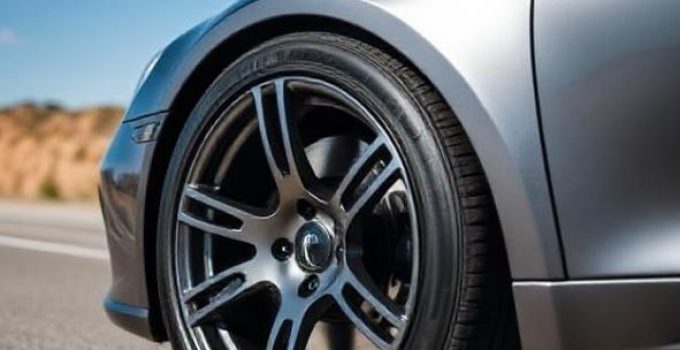
Picking the perfect performance tire for your driving style isn’t just about speed—it’s about grip, handling, and confidence behind the wheel. Whether you’re carving corners on a track, enjoying spirited weekend drives, or just want better road feel for daily commutes, the right tire makes all the difference.
Why Your Driving Style Matters
Not all performance tires are created equal. The best choice depends on how (and where) you drive. A track-day warrior has different needs than someone who enjoys the occasional backroad blast. Let’s break it down.
Track Enthusiasts: Maximum Grip & Precision
If you live for lap times, you need a tire that delivers ultimate grip and sharp handling. Look for:
- Extreme performance summer tires – Designed for dry grip, precise cornering, and high-speed stability.
- R-compound tires – These are borderline slicks, perfect for track days but not ideal for daily driving.
- High-temperature tolerance – Tires that stay grippy even after aggressive, prolonged use.
Example: If you track your car regularly, something like the Michelin Pilot Sport Cup 2 or Bridgestone Potenza RE-71RS would be a solid pick.
Options to consider:
- R-Compound Tires: These tires offer unparalleled grip on dry surfaces but wear quickly and are generally unsuitable for wet conditions or daily driving. Think of them as your dedicated track weapon.
- Extreme Performance Summer Tires: A step down from R-compounds, these offer excellent dry grip with slightly better wet performance and durability. They’re a good compromise if you occasionally drive to the track.
- Example: Imagine you’re lining up at the start of a time attack. You need every tenth of a second. An R-compound tire will give you the edge, even if you have to replace them more often.

Spirited Daily Driver: Balance Between Fun & Comfort
Love taking the twisty route home but still need comfort for everyday driving? Go for:
- Ultra-high-performance all-season tires – A great blend of grip and longevity.
- Summer performance tires – More aggressive than all-seasons, providing excellent dry traction.
- Good wet-weather performance – Look for tires with solid water evacuation to avoid hydroplaning.
Example: The Goodyear Eagle F1 Asymmetric 6 or Michelin Pilot Sport 4S gives you plenty of grip while staying comfy enough for daily use.
Options to consider:
- Max Performance Summer Tires: These tires offer a significant improvement in grip and handling over standard all-season tires while still providing decent ride comfort and wet weather performance. They’re a great choice for those who want a performance boost without sacrificing practicality.
- Ultra High Performance All-Season Tires: While not as grippy as dedicated summer tires, these offer a good balance of performance and all-weather capability. They’re a suitable option if you live in an area with mild winters and don’t want to switch tires seasonally.
- Example: Picture yourself carving through a mountain road on a sunny afternoon. You need a tire that can handle the curves but also won’t leave you stranded in a sudden rain shower. A Max Performance Summer tire strikes that perfect balance.
Performance in All Seasons: Year-Round Versatility
If you don’t want to swap tires with the seasons but still crave performance, consider:
- Ultra-high-performance all-seasons – Handles moderate winters while maintaining solid dry grip.
- 3PMSF-rated tires – If you see occasional snow, these provide better cold-weather performance.
Example: The Continental ExtremeContact DWS 06 Plus is a fantastic all-season performer.
Key Factors When Choosing a Performance Tire
1. Treadwear & Longevity
Higher grip often means faster wear. If you daily drive on sticky tires, expect to replace them more often.
2. Wet & Dry Performance
Some tires excel in the dry but struggle in the rain. If you drive in varying conditions, pick a tire with solid wet-weather performance.
3. Road Noise & Comfort
Sticky tires can be noisy. If road comfort matters, consider a balance between performance and quietness.
FAQs
What’s the difference between summer and all-season performance tires?
Summer tires maximize grip in warm weather, while all-season tires offer better versatility in colder conditions.
Can I use track tires for daily driving?
Technically, yes—but they wear out quickly, perform poorly in the rain, and can be noisy.
How do I know when it’s time to replace my performance tires?
Check the tread depth (below 3/32” is too low), look for uneven wear, and monitor handling changes.
Final Thoughts
The best performance tire for your driving style depends on what matters most—grip, longevity, or all-weather capability. Pick wisely, and your car will reward you with better handling, control, and driving pleasure.