
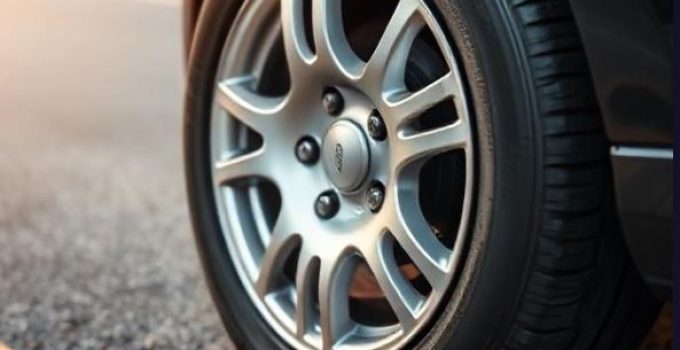
Run-flat tires (RFTs) have revolutionized the way we handle the inconvenience and potential danger of a tire puncture. With the ability to continue driving for a limited distance, even after a puncture, they offer a significant safety advantage. However, it’s crucial to understand the safety considerations and limitations of using run-flat tires after they’ve been compromised.
Understanding Run-Flat Tires
Run-flat tires are designed with reinforced sidewalls that allow you to continue driving at a reduced speed for a certain distance, typically up to 50 miles, even after losing all air pressure. This capability can be a lifesaver, preventing you from being stranded on the side of the road or having to change a tire in unsafe conditions. However, the safety and convenience features of RFTs come with specific considerations that drivers must be aware of.
Immediate Actions After a Puncture
When your tire pressure monitoring system (TPMS) alerts you to a loss of pressure in one of your tires, it’s essential to take immediate action:
- Reduce Speed: Maintain a speed of no more than 50 mph to prevent further damage to the tire and ensure vehicle control.
- Plan Your Next Steps: Use the limited range (up to 50 miles) to drive to a safe location or a nearby tire repair shop. Do not attempt to drive beyond this range, as it could lead to tire failure and potentially cause an accident.
Repair or Replace?
The repairability of a run-flat tire depends on the extent of the damage and the manufacturer’s recommendations. In many cases, manufacturers advise against repairing a run-flat tire because the structural integrity may be compromised, making it difficult to ensure the tire’s safety upon repair.
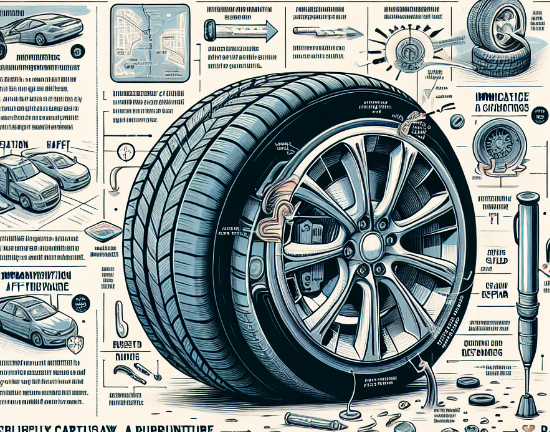
Therefore, it’s often recommended to replace a damaged run-flat tire rather than attempting a repair.
Considerations for Continued Use
If you experience a puncture and need to utilize the run-flat capability of your tires, keep the following in mind:
- Speed and Distance Limitations: Adhere strictly to the manufacturer’s guidelines regarding the maximum speed and distance the tire can be driven on after a puncture.
- Inspection and Replacement: Even if the tire appears to be intact after a puncture, have it inspected by a professional. If there’s any doubt about its condition, replacement is the safest option.
- Manufacturer Policies: Be aware of the tire manufacturer’s policies regarding run-flat tires. Some may have specific guidelines or prohibitions against repairing run-flat tires.
FAQs
Q: Can I repair a run-flat tire if it gets a puncture?
A: Generally, it’s not recommended to repair run-flat tires due to the difficulty in assessing internal damage. Replacement is often the safer option.
Q: How far can I drive on a punctured run-flat tire?
A: You can typically drive up to 50 miles at a maximum speed of 50 mph, but always check the manufacturer’s specifications for your specific tires.
Q: Can I mix run-flat tires with standard tires?
A: Mixing run-flat tires with standard tires is not recommended, as it can affect the handling and stability of your vehicle.
Run-flat tires offer a significant safety advantage by allowing drivers to maintain control and drive to safety after a puncture. However, it’s crucial to understand their limitations and follow the manufacturer’s guidelines for their use after a puncture. When in doubt, opting for replacement over repair is the safest course of action to ensure your continued safety on the road.