
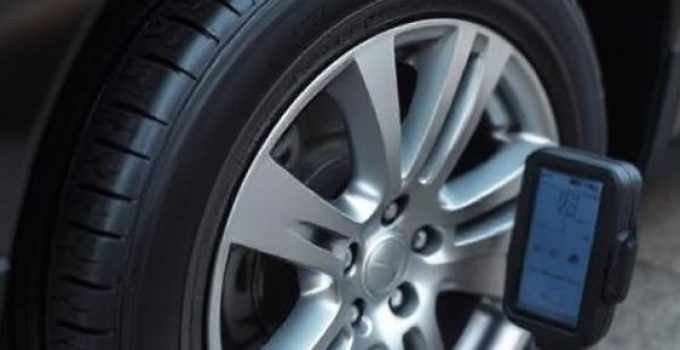
Run-flat tires have revolutionized the way we think about tire safety and convenience. These innovative tires allow you to continue driving for a certain distance, even after a puncture, providing peace of mind and added safety. But how do they fare across different vehicle types and with Tire Pressure Monitoring Systems (TPMS)?
Let’s dive into the world of run-flat tires, exploring their compatibility and offering some FAQs to guide you.
Understanding Run-Flat Tires
Run-flat tires are designed with reinforced sidewalls that support the vehicle’s weight even after air loss due to a puncture. This technology allows drivers to continue their journey to a safe location or service center without the immediate need for a tire change.
Compatibility with Various Vehicle Types
Run-flat tires are not one-size-fits-all. Their compatibility varies depending on the vehicle type:
- Luxury and Performance Vehicles: Many high-end and performance vehicles come equipped with run-flat tires as standard. These vehicles often lack spare tires, relying on run-flat technology for emergency situations.
- SUVs and Trucks: The use of run-flat tires is expanding into the SUV and truck segments. However, the added weight of these vehicles can affect the distance and speed at which you can safely drive on a punctured run-flat tire.
- Compact and Economy Cars: While less common, run-flat tires can also be found on some compact and economy cars. The decision to use run-flat tires on these vehicles often comes down to the manufacturer’s preference for safety features over spare tire inclusion.
Interaction with TPMS Systems
Run-flat tires and TPMS systems are a match made in automotive safety heaven. TPMS is crucial for run-flat tires as it alerts the driver to a loss of air pressure, which might not be immediately noticeable due to the tire’s design.

All vehicles equipped with run-flat tires should also have a functioning TPMS to ensure the driver is aware of any issues affecting tire pressure and can take appropriate action.
FAQs
Q: Can I switch from run-flat tires to standard tires?
A: Yes, but it’s important to consider that your vehicle’s handling and suspension may have been tuned specifically for run-flats. Additionally, you’ll need to carry a spare tire or emergency repair kit since standard tires don’t offer the same run-flat capability.
Q: Are run-flat tires repairable?
A: It depends on the extent of the damage. Minor punctures in the tread area can sometimes be repaired, but damage to the reinforced sidewalls usually means the tire must be replaced.
Q: Do run-flat tires wear out faster than standard tires?
A: Run-flat tires may have a slightly shorter lifespan due to their stiffer construction, which can lead to faster tread wear. Regular tire inspections and maintenance are key to maximizing their lifespan.
Q: Can I mix run-flat and standard tires on my vehicle?
A: Mixing run-flat and standard tires is not recommended as it can negatively affect the vehicle’s handling, stability, and safety. Always use the same type of tire on all wheel positions.
Conclusion
Run-flat tires offer a significant safety advantage, allowing drivers to maintain control and mobility after a puncture. Their compatibility with various vehicle types and TPMS systems makes them a versatile choice for many drivers. However, it’s essential to consider the specific requirements and recommendations for your vehicle to ensure optimal performance and safety. Whether you’re driving a luxury sedan, an SUV, or a compact car, understanding the capabilities and limitations of run-flat tires can help you make informed decisions about your vehicle’s tire needs.