
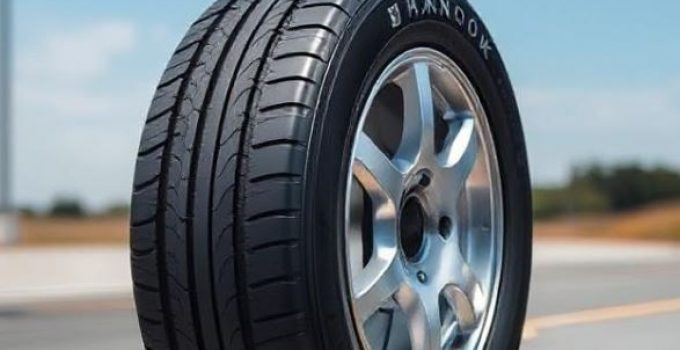
The future of performance tires is here, and it’s rewriting the rules of speed, control, and safety. From self-healing compounds to sensors that predict road conditions, the next generation of tires blends cutting-edge tech with raw mechanical innovation. Let’s explore how these advancements are transforming what’s possible on the road—and the track.
Smart Tires: Real-Time Data for Real-World Performance
Imagine tires that talk to your car. Embedded sensors now monitor pressure, temperature, and tread wear, sending alerts before issues arise. Goodyear’s SightLine system, for example, uses AI to predict flats days in advance, boosting safety and tire lifespan. These smart tires also adapt to road surfaces, adjusting pressure automatically for optimal grip—a game-changer for electric vehicles (EVs) needing precise energy management.
Airless Tires: No More Blowouts, Ever
Punctures? A relic of the past. Brands like Bridgestone and Hankook are testing airless designs made from recyclable materials. Hankook’s iFlex tire, for instance, uses geometric patterns to mimic traditional flexibility without air, surviving speeds up to 80 mph in trials. These tires reduce maintenance and waste, making them ideal for both daily drivers and heavy-duty applications.
Adaptive Tread Patterns: Shape-Shifting for Every Condition
Winter grooves in seconds? Michelin’s prototype tires use modular blocks that shift from smooth summer treads to aggressive winter patterns on command. This tech, still in development, could eliminate seasonal tire swaps while improving wet and dry traction by 15-20%. Continental’s parabolic rib design already enhances wet braking by optimizing pressure distribution across the tread.
Advanced Materials: Stronger, Lighter, Greener
Nanotechnology is revolutionizing rubber. Silica-reinforced compounds boost grip and cut rolling resistance, extending EV range by up to 10%. Self-healing polymers, inspired by paint-protection films, seal minor punctures instantly—no pit stop required. Meanwhile, 3D-printed tires allow custom treads for specific tracks, reducing waste and production time.
Sustainability: Eco-Friendly Speed
Performance no longer costs the planet. Brands like Michelin and Pirelli now use bio-based oils and recycled rubber in their high-end tires. Michelin’s CrossClimate 2 combines low rolling resistance with winter-ready traction, proving eco-designs can outperform traditional models. Companies like Tyromer are even devulcanizing old tires to create new ones, closing the recycling loop.
EV-Specific Tires: Quiet Powerhouses
EVs demand tires that handle instant torque without noise. Hankook’s Kinergy AS line uses sound-absorbing foam and silica compounds to reduce road noise by 30% while maximizing efficiency. These tires also feature reinforced sidewalls to support heavier battery loads, ensuring stability at high speeds.
FAQs: Future of Performance Tires
How do smart tires improve safety?
Smart tires monitor wear, pressure, and road conditions in real time, alerting drivers to hazards like punctures or overheating. Systems like Continental’s sensor-equipped tires can even adjust pressure automatically for better grip.
Are airless tires durable?
Yes. Hankook’s iFlex airless tires passed rigorous tests at 80 mph, matching traditional tires in durability and handling. Their recyclable design also reduces environmental impact.
Can adaptive treads replace seasonal tires?
Not yet, but prototypes show promise. Michelin’s shape-shifting treads could one day let drivers switch patterns via a dashboard button, eliminating the need for separate winter tires :cite[1]:cite[6].
Are eco-friendly tires less performant?
No. Tires like the Michelin CrossClimate 2 use sustainable materials without sacrificing grip or longevity. Some eco-designs even outperform standard models in wet and dry tests.
Why do EVs need special tires?
EVs are heavier and quieter, requiring tires that minimize noise, reduce rolling resistance, and handle high torque. Silica compounds and foam insulation address these needs while extending battery range.