
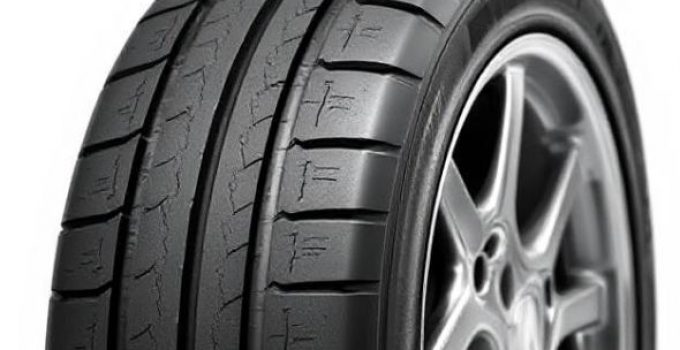
Understanding performance tire compounds is paramount for enthusiasts seeking the ultimate driving experience. Your tires are the vital connection between your car and the road, and selecting the correct compound can dramatically improve grip, handling, and even safety.
But navigating the world of summer, track, and all-weather performance tires can be a bit like deciphering a secret code. Let’s break it down and help you choose the right rubber for your ride.
Unveiling the Secrets of Tire Compounds for Optimal Performance
Imagine this: you’re carving through a winding mountain road on a sunny day. The tires are gripping, the car feels planted, and you’re in perfect harmony with the machine. That feeling is largely dependent on the tire compound. But the same tires that excel in the dry might turn treacherous in the wet or wear out after a few hot laps on the track.
Understanding how different compounds behave is crucial for maximizing performance and safety.
Summer Tire Compounds: Maximizing Grip When the Sun Shines
Summer tires are engineered for one thing: dry grip. They use a relatively soft compound that gets stickier as it heats up. Think of it like a gummy bear on a hot summer day – it becomes pliable and moulds to the road surface, maximizing contact. They are designed to give you the best possible handling in warm conditions.
However, this soft compound comes with a trade-off: reduced tread life and poor performance in cold temperatures. Using summer tires below 40°F (4°C) can cause the compound to harden and crack, severely compromising grip and potentially damaging the tire. A real-world scenario? Trying to drive your sports car with summer tires in a surprise early spring snowstorm. Not fun!
Key characteristics of summer tires:
- Exceptional dry grip and handling.
- Optimized for temperatures above 40°F (4°C).
- Reduced tread life compared to all-season or all-weather tires.
- Poor performance in wet or snowy conditions.
Track Tire Compounds: Born for Speed and Grip
Track tires (often referred to as R-compound or DOT-approved track tires) take grip to the extreme. They are made with an even softer and stickier compound than summer tires. The sidewalls are stiffer, reducing flex and improving steering response. These tires are designed to withstand the extreme heat and forces generated during high-speed track driving.
Consider a professional race car: it uses slick tires that are essentially a super-sticky rubber band wrapped around the wheel. Track tires are the closest you can get to that experience on the street (legally, at least). The downside? Track tires wear out incredibly quickly and are often not street legal due to their limited tread depth. They also require significant warm-up before reaching optimal grip and can be extremely dangerous in wet conditions. This is due to their minimal tread pattern for water channelling. Be prepared to replace a set after a few track days or short period on the street.
Key characteristics of track tires:
- Maximum dry grip and handling.
- Extremely soft compound for optimal stickiness.
- Stiff sidewalls for precise steering.
- Very short tread life.
- Poor wet weather performance.
All-Weather Tire Compounds: The Versatile Performer
All-weather tires represent a compromise between summer and winter performance. They are designed to provide decent grip in a wider range of conditions, including light snow and cold temperatures. The compound is typically harder than a summer tire but softer than a dedicated winter tire. The tread pattern is also designed to evacuate water and snow effectively.
Think of the all-weather tire as the “jack-of-all-trades” tire. It might not excel in any one area, but it can handle most situations reasonably well.
For drivers who live in areas with moderate winters and want to avoid the hassle of swapping tires twice a year, all-weather tires can be a great option. However, they won’t offer the same level of dry grip as a summer tire or the same level of snow and ice traction as a dedicated winter tire.
Key characteristics of all-weather tires:
- Good grip and handling in a variety of conditions.
- Suitable for light snow and cold temperatures.
- Longer tread life than summer or track tires.
- Not as much dry grip as a summer tire.
- Not as much snow/ice traction as a dedicated winter tire.
The Impact of Tire Compound on Grip and Wear
The relationship between grip and wear is a balancing act. Softer compounds provide more grip but wear out faster. Harder compounds offer longer tread life but less grip. Consider this: that sticky track tire might give you incredible cornering speeds, but it could be bald after just a few sessions, whereas an all-season tire could last for tens of thousands of miles but leave you wanting in terms of pure performance.
The tire compound also affects how the tire responds to temperature. Softer compounds tend to heat up more quickly, reaching their optimal grip range sooner. However, they can also overheat more easily, leading to reduced grip and accelerated wear. Harder compounds take longer to warm up but are more resistant to overheating.
Choosing the Right Performance Tire: A Practical Approach
So, how do you choose the right performance tire compound for your needs? Here’s a practical approach:
- Consider your driving conditions: Where do you live? What kind of weather do you typically encounter? What type of roads do you drive on?
- Evaluate your driving style: Are you a casual driver or an aggressive enthusiast? Do you prioritize comfort and longevity or maximum performance?
- Understand your vehicle’s capabilities: What is your car designed for? What are its power and handling characteristics?
- Read reviews and compare options: Research different tire brands and models. Read reviews from other drivers. Compare specifications and performance data.
- Talk to a tire professional: Get expert advice from a knowledgeable tire dealer. They can help you choose the right tire for your specific needs and budget.
FAQs About Performance Tire Compounds
Are track tires street legal?
Some track tires are DOT-approved, meaning they meet minimum safety standards for street use. However, they often have very little tread depth, making them dangerous in wet conditions. Always check local laws before using track tires on public roads.
Can I use summer tires in the winter?
Absolutely not. Summer tires are not designed for cold temperatures or snow/ice. Using them in these conditions can be extremely dangerous and can damage the tires.
How do I know if my tires are worn out?
Most tires have tread wear indicators (TWI) built into the tread grooves. When the tread wears down to the level of the TWI, it’s time to replace the tires. You can also use a tread depth gauge to measure the remaining tread depth.
Can I mix different tire compounds on my car?
It’s generally not recommended to mix different tire compounds on the same axle. This can create unpredictable handling characteristics, especially in emergency situations. It is advisable to have same compound tires on the same axle.
In conclusion, choosing the right performance tire compound is a crucial decision that can significantly impact your driving experience. By understanding the characteristics of summer, track, and all-weather tires, you can select the optimal rubber for your specific needs and maximize your vehicle’s performance and safety.